Maroon Plaid Scrapbook Pattern Paper: A Versatile Choice for Digital and Print Projects
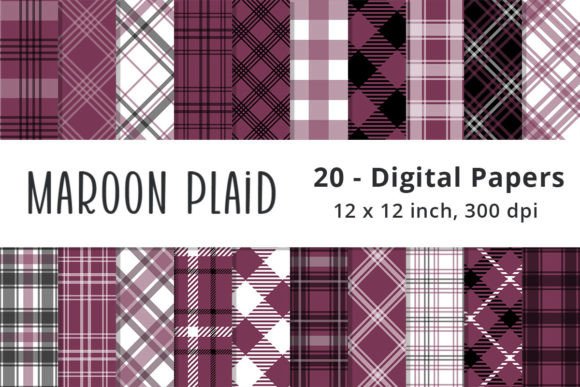
Maroon Plaid Scrapbook Pattern Paper is a popular choice among digital scrapbookers, designers, and crafters who seek a rich, textured look with a timeless appeal. This pattern features a maroon base with plaid designs, often complemented by black, white, and other accent colors such as purple and red. It is ideal for those looking to add depth and character to their projects without overwhelming the design.
Understanding Maroon Plaid Scrapbook Pattern Paper
The term "plaid" refers to a textile pattern characterized by intersecting horizontal and vertical lines in different colors, creating a grid-like effect. When applied to scrapbooking paper, this pattern adds a sense of tradition and sophistication. The maroon color, which is a deep red-brown shade, provides a warm and rich backdrop that pairs well with both bold and subtle accents.
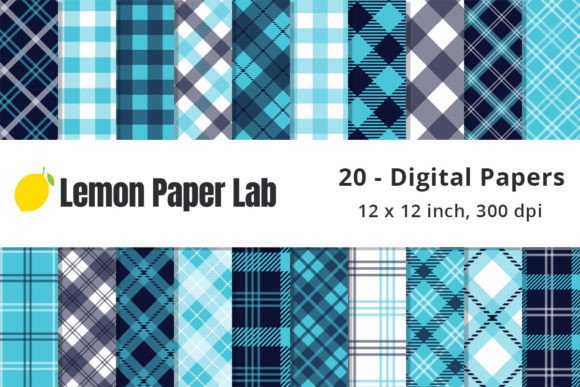
What makes Maroon Plaid Scrapbook Pattern Paper stand out is its versatility. It can be used as a background, border, or standalone element in various projects. The inclusion of multiple patterns—such as gingham, buffalo check, grid, and striped—offers a range of textures and visual interest that can adapt to different themes and styles.
Comparing Maroon Plaid with Other Patterns
When comparing Maroon Plaid Scrapbook Pattern Paper to other similar options, it's important to consider the balance between visual appeal and functionality. For instance, solid-colored papers are more minimalist and may not provide the same level of detail or texture. On the other hand, more intricate patterns like floral or geometric designs might be too busy for certain projects.
In contrast to traditional fabric plaid, the digital version of Maroon Plaid Scrapbook Pattern Paper offers seamless tiling, making it perfect for large backgrounds or repeated elements in digital layouts. This is particularly useful for digital scrapbooking pages, planner spreads, and wallpaper designs where continuity is key.
Another alternative is using vector-based patterns, which allow for scalability without loss of quality. However, Maroon Plaid Scrapbook Pattern Paper comes in high-resolution JPEG format (300 dpi), which is suitable for most print and digital applications. While it is a raster file and not editable as a vector, this format ensures clarity and crispness when printed or displayed on screens.
Strengths and Tradeoffs of Maroon Plaid Scrapbook Pattern Paper
One of the main strengths of Maroon Plaid Scrapbook Pattern Paper is its ability to blend seamlessly into a variety of project types. Whether you're designing a birthday card, a wedding invitation, or a digital planner page, the pattern’s richness and texture can enhance the overall aesthetic without overshadowing the content.
However, there are some tradeoffs to consider. Since these files are flattened raster images, they cannot be easily modified or re-colored in design software. This means that if you need to adjust the color scheme or make specific edits to the pattern, you may need to use additional tools or find alternative sources that offer vector formats.
Additionally, while the maroon color is visually striking, it may not be suitable for all themes. For example, a pastel-themed project might require lighter or softer tones that do not clash with the boldness of maroon. In such cases, exploring alternative color palettes or patterns could be a better fit.
Best-Fit Situations for Maroon Plaid Scrapbook Pattern Paper
Maroon Plaid Scrapbook Pattern Paper is best suited for projects that benefit from a classic, slightly rustic feel. This includes digital scrapbooking pages, journal papers, printable stationery, and even fabric-based crafts. Its versatility also extends to digital planner pages, where the pattern can serve as a background without distracting from the calendar or task elements.
For digital planners, the 12 x 12 inch size and 300 dpi resolution ensure that the paper remains clear and detailed, even when printed at larger sizes. This makes it an excellent option for those who prefer a tactile experience with their digital planning tools.
Another scenario where this pattern shines is in creating custom invitations or cards. The combination of maroon, black, and white creates a sophisticated yet approachable look that works well for both formal and casual events. The addition of purple and red accents allows for further customization based on the event's theme or personal preference.
Alternatives and Considerations
If Maroon Plaid Scrapbook Pattern Paper doesn't align with your project needs, there are several alternatives worth considering. For instance, if you need a more modern look, opting for a minimalist pattern with subtle lines or dots could be a better choice. Similarly, if you're working with a limited color palette, selecting a pattern that uses only two or three colors might be more effective.
For those who require editable elements, investing in vector-based patterns or using design software to create custom patterns could be a viable solution. These options allow for greater flexibility in terms of color, scale, and layout adjustments.
It's also worth noting that the availability of 20 high-quality seamless digital papers in JPG format offers a wide range of options within a single pack. This can be beneficial for users who want to maintain a cohesive style across multiple projects without having to search for individual patterns.
Conclusion
Maroon Plaid Scrapbook Pattern Paper is a valuable resource for anyone involved in digital or print-based crafting. Its combination of traditional plaid design, rich maroon tones, and complementary colors makes it a versatile choice for a wide range of applications. While it has some limitations—such as being a non-editable raster format—it excels in providing a visually appealing and functional background for various creative endeavors.
Whether you're designing a digital scrapbook, creating printable stationery, or preparing materials for a special event, Maroon Plaid Scrapbook Pattern Paper offers a reliable and stylish option. As with any design element, the key is to match the pattern to the project's overall vision and purpose, ensuring that it enhances rather than detracts from the final result.